
Introduction
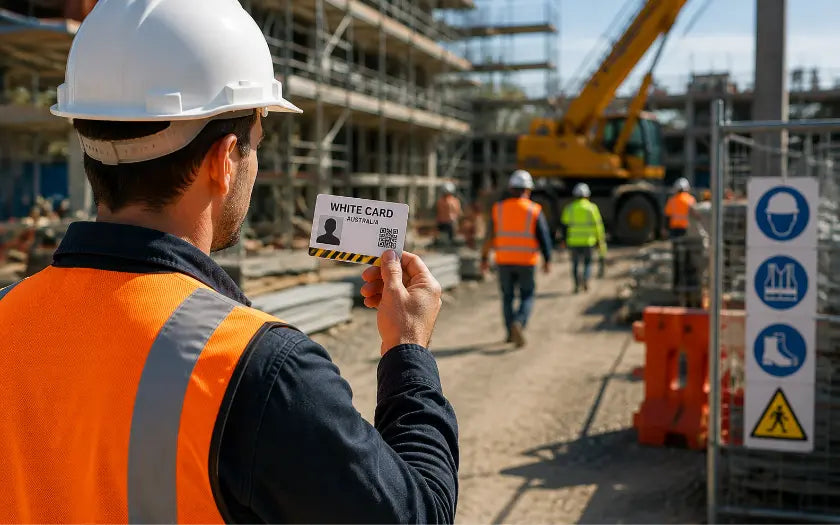
If you're planning to work in construction in Australia, obtaining a White Card is not optional; it’s essential. This certification ensures you understand workplace hazards, safety responsibilities, and basic risk control measures before stepping onto a job site.
In this guide, you’ll learn exactly what a White Card is, why it’s required, how to get it, and how to use it effectively in real-world construction environments.
What Is a White Card in Australia?
A White Card, also known as the General Construction Induction Card, is proof that you have completed nationally recognised safety training for construction work.
It is typically linked to the unit:
CPCWHS1001 – Prepare to Work Safely in the Construction Industry
This certification confirms that you can safely operate within a construction environment by understanding hazard identification, safety procedures, and emergency responses.
Why White Card Certification Is Mandatory
Construction sites involve high-risk activities such as working at heights, operating heavy machinery, and handling hazardous materials. Without proper training, the risk of injury increases significantly.
A White Card ensures that every worker entering a site has a shared understanding of safety practices. This not only protects individuals but also supports employers in maintaining legal compliance and reducing workplace incidents.

Key Benefits of Having a White Card
| Benefit | Description |
|---|---|
| Legal Compliance | Required to work on most construction sites in Australia |
| Workplace Safety | Reduces the risk of accidents and injuries |
| Job Access | Mandatory for labourers, trades, and site staff |
| Industry Standard | Recognised nationwide across construction sectors |
| Career Start | First step into construction careers |
How to Get a White Card in Australia
Getting your White Card is a structured but straightforward process. The key is choosing the right provider and completing proper training.
Step-by-Step Process
| Step | What You Need to Do |
|---|---|
| Choose Provider | Select a Registered Training Organisation (RTO) |
| Select Format | Choose face-to-face or approved virtual training |
| Complete Training | Learn safety basics, hazards, and PPE use |
| Pass Assessment | Demonstrate knowledge through tests/scenarios |
| Receive Certificate | Get Statement of Attainment and card issued |
This process ensures you gain both theoretical understanding and practical awareness before entering a worksite.
White Card Training: Online vs In-Person
Choosing the right training format is important because rules vary across Australian states.
In-person training is widely accepted and ideal for those who prefer structured learning environments. Trainer-led virtual sessions are also available in some regions, offering flexibility while maintaining compliance standards.
However, extremely fast “instant online certification” offers should be avoided. Proper training requires time, assessment, and identity verification to be valid.
White Card Cost in Australia
The cost of obtaining a White Card can vary depending on location, provider, and delivery method.
| Cost Factor | Details |
|---|---|
| Average Price | $40 – $200 |
| Training Type | Classroom or virtual |
| Included | Training, assessment, certification |
| Extra Costs | Replacement card or rescheduling |
Rather than choosing the cheapest option, focus on selecting a legitimate and accredited provider to ensure your certification is accepted nationwide
How Long Is a White Card Valid?
A White Card does not typically have a strict expiry date. However, its validity can depend on your work activity.
If you have not worked in construction for an extended period, some employers may require refresher training before allowing site entry. Keeping your skills updated ensures smoother onboarding and compliance with workplace expectations.
Who Needs a White Card?
A White Card is required for anyone entering or working on a construction site. This includes workers directly involved in construction as well as those who regularly access active work areas.
Where a White Card Is Used
| Industry | Example Work |
|---|---|
| Residential | Home building and renovations |
| Commercial | Offices and retail construction |
| Civil Works | Roads and infrastructure |
| Industrial | Large-scale engineering projects |
It is important to note that a White Card is a baseline requirement. Additional licenses or training may still be needed for specialised tasks.
Tips for Successfully Completing Your White Card Course
To ensure you pass your assessment and gain real value from the course, focus on understanding core safety principles rather than rushing through the material.
Pay close attention to hazard identification, proper use of PPE, and emergency response procedures. Taking the time to understand these concepts will not only help you pass but also prepare you for real workplace situations.
Using Your White Card on Site
Once certified, your White Card becomes your entry pass to construction environments. You will typically need to present it when starting a job, attending site inductions, or entering controlled worksites.
Keeping both a physical copy and a digital backup ensures you’re always prepared when verification is required.
Conclusion
The White Card is your first and most important step into the Australian construction industry. It demonstrates your understanding of safety fundamentals, supports legal compliance, and significantly reduces workplace risks.
By choosing a reputable provider, completing proper training, and maintaining your certification, you position yourself for safe, compliant, and successful work on any construction site.


