
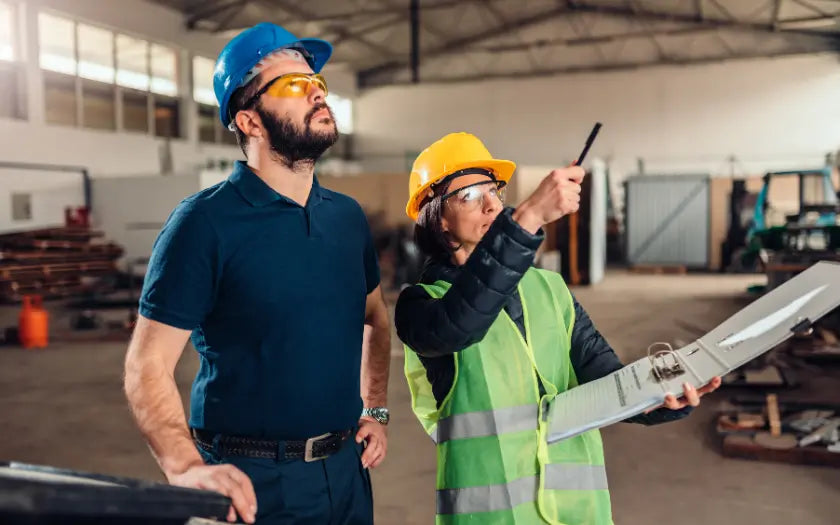
A safe workplace does not happen by chance. It is created through awareness, planning, communication, and consistent action.
Every organisation, regardless of size or industry, has a responsibility to protect workers from health and safety risks. From construction sites and manufacturing facilities to offices, healthcare environments, retail businesses, and hospitality workplaces, effective Workplace Health and Safety (WHS) practices play a critical role in preventing injuries, reducing hazards, and creating a culture where everyone feels responsible for safety.
Many workplace incidents occur not because organisations ignore safety, but because risks are not identified early enough, procedures are unclear, or employees do not have the right knowledge to respond effectively. This is why WHS should not be viewed as simply a compliance requirement — it should be an ongoing commitment embedded into everyday workplace activities.
In Australia, employers and workers have shared responsibilities under workplace health and safety laws to ensure risks are managed and controlled. Businesses must provide safe systems of work, appropriate training, suitable equipment, and a workplace environment where hazards are identified and addressed.
According to Safe Work Australia, effective work health and safety management helps prevent workplace injuries and illnesses while supporting healthier and more productive workplaces.
This guide explores 7 WHS best practices that organisations can implement to build a safer workplace environment and strengthen their overall safety culture.
What Is Workplace Health and Safety (WHS)?
 Workplace Health and Safety (WHS) refers to the policies, procedures, processes, and actions designed to protect workers and others from workplace hazards that may cause injury, illness, or harm.
WHS covers many areas, including:
-
Hazard identification and risk assessment
-
Workplace inspections
-
Safe work procedures
-
Emergency preparedness
-
Incident reporting and investigation
-
Worker consultation
-
Safety training and awareness
-
Health and wellbeing management
A strong WHS approach focuses on preventing problems before they occur rather than only responding after an incident happens.
For Australian organisations, WHS obligations are primarily guided by state and territory WHS legislation, along with national guidance materials and Codes of Practice.
The goal is simple:
Identify risks. Control hazards. Protect people. Improve continuously.
Why Are WHS Best Practices Important?
Effective WHS practices provide benefits beyond legal compliance. They help organisations create safer, more productive, and more supportive workplaces.
1. Reducing Workplace Injuries and Illnesses
A proactive WHS approach helps identify potential dangers before they cause harm. Regular risk assessments, safety discussions, and employee awareness can significantly reduce preventable incidents.
2. Improving Employee Confidence
Employees who understand safety procedures feel more confident performing their roles. Clear instructions and proper training help workers make safer decisions every day.
3. Supporting Legal Compliance
Australian businesses have legal duties to provide a safe working environment. Failure to manage workplace risks can lead to enforcement action, financial penalties, operational disruption, and reputational damage.
4. Building a Positive Safety Culture
Safety culture reflects how seriously an organisation values health and safety. When leaders prioritise safety and employees feel comfortable reporting hazards, workplaces become more proactive.
7 Steps to Create a Safer Workplace Environment
 Step 1: Identify Workplace Hazards Regularly
The first step in creating a safer workplace is understanding what hazards exist.
A workplace hazard is anything that has the potential to cause injury, illness, or damage. Hazards can appear in any environment and may change as workplace conditions, equipment, processes, or teams change.
Common workplace hazards include:
Physical Hazards
Examples include:
-
Slips, trips, and falls
-
Poor workplace layout
-
Noise exposure
-
Unsafe equipment
-
Manual handling risks
Chemical Hazards
These may include:
-
Hazardous substances
-
Cleaning chemicals
-
Workplace fumes
-
Unsafe chemical storage
Biological Hazards
Common in healthcare, childcare, and laboratory environments, including:
-
Exposure to viruses or bacteria
-
Contaminated materials
-
Poor hygiene practices
Psychosocial Hazards
Modern workplaces must also consider risks affecting psychological health, such as:
-
Excessive workloads
-
Workplace bullying
-
Poor workplace relationships
-
Lack of support
-
Work-related stress
Regular workplace inspections, employee feedback, and risk reviews help organisations identify hazards early.
A strong safety culture encourages employees to speak up when they notice something unsafe.
Step 2: Conduct Effective Risk Assessments
 Identifying hazards is only the beginning. Organisations must also assess the level of risk and determine appropriate controls.
A risk assessment involves considering:
-
What could cause harm?
-
Who could be affected?
-
How likely is the incident to occur?
-
How serious could the consequences be?
-
What controls can reduce the risk?
A common WHS approach is evaluating:
Likelihood × Consequence = Risk Level
For example:
A damaged electrical cable in a workplace may create a risk of electric shock. The organisation should assess how likely someone is to come into contact with the hazard and what impact could occur.
After assessing risks, businesses should apply the hierarchy of controls.
Hierarchy of Controls
The hierarchy prioritises the most effective ways to manage risks:
1. Elimination
Removing the hazard completely.
Example:
Removing unnecessary hazardous equipment.
2. Substitution
Replacing a hazard with a safer alternative.
Example:
Using a less hazardous chemical.
3. Engineering Controls
Changing equipment or workplace design.
Example:
Installing safety guards on machinery.
4. Administrative Controls
Using procedures, training, and policies.
Example:
Safe work instructions and employee training.
5. Personal Protective Equipment (PPE)
Using protective equipment such as:
-
Safety glasses
-
Gloves
-
Helmets
-
Protective clothing
PPE is important but should not be the only control measure.
Step 3: Develop Clear WHS Policies and Procedures
A workplace safety system needs clear guidance that employees can understand and follow.
WHS policies and procedures help establish expectations around:
-
Workplace responsibilities
-
Emergency response
-
Hazard reporting
-
Incident management
-
Equipment use
-
Safe work practices
However, having policies alone is not enough.
A common mistake organisations make is creating documents that employees never read or understand. Effective WHS procedures should be:
-
Easy to access
-
Practical
-
Regularly reviewed
-
Communicated clearly
Employees should know:
-
Where safety information is located
-
Who to contact about safety concerns
-
How to report hazards
-
What actions to take during emergencies
Step 4: Provide Regular WHS Training and Awareness
Training is one of the most important elements of workplace safety.
Even the best safety policies will not be effective if employees do not understand their responsibilities.
WHS training helps workers develop awareness of:
-
Workplace hazards
-
Risk management processes
-
Safety responsibilities
-
Incident reporting requirements
-
Emergency procedures
-
Safe work behaviours
Training should not be treated as a one-time activity. Workplace risks change, new equipment is introduced, and regulations evolve. Regular refresher training helps maintain awareness and keeps safety knowledge current.
For organisations looking to strengthen workplace safety knowledge, the Workplace Health and Safety (WHS) Certified Training course provides practical guidance on WHS responsibilities, hazard management, risk control, incident reporting, and workplace safety practices.


